Facebook once rewarded angry reactions five times more than a normal like.
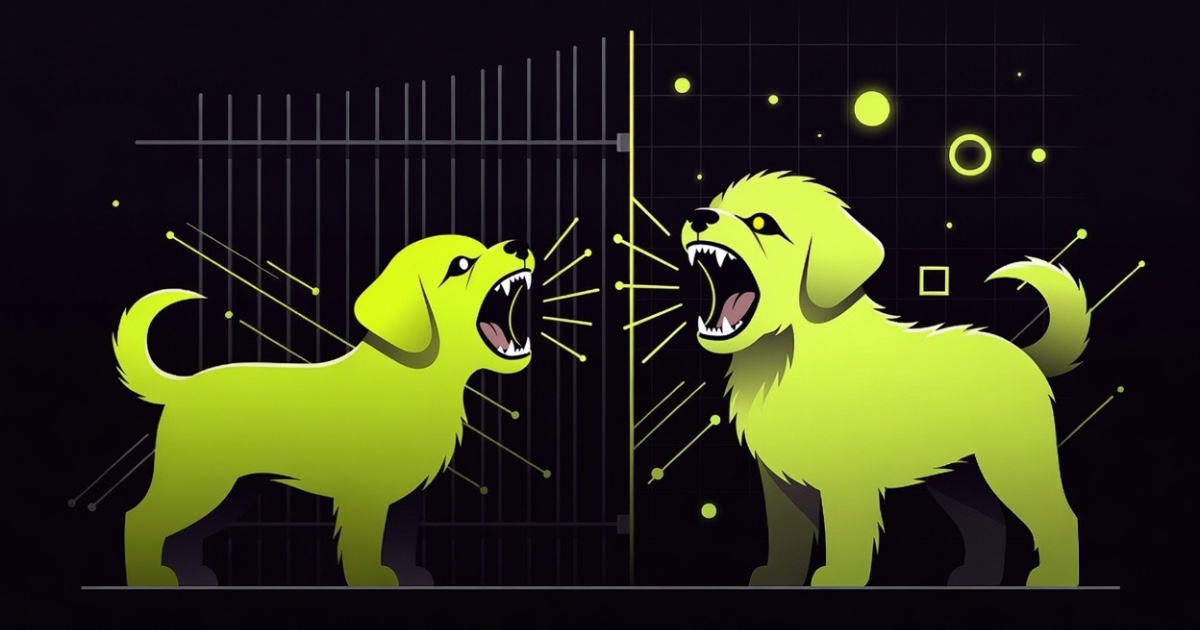
For several years, Facebook's algorithm treated an "Angry" reaction as five times more valuable than a standard "Like." The extra step of selecting an emoji signaled a deeper emotional connection — so the system rewarded it. Because angry posts received that 5x boost, the News Feed systematically amplified polarizing, controversial, and divisive content. Facebook later reduced the weight after internal data proved it was promoting misinformation and toxicity, but the damage was done.
Why anger works so well
The algorithm doesn't know the difference between "I am reading this because I love it" and "I am reading this because it makes my blood boil." To the system, attention is attention. Facebook's business model relies on selling advertising, which means keeping you on the platform as long as possible.
Algorithms exploit human psychology. Emotions like anger, disgust, and outrage are high-arousal states — they trigger fight-or-flight instincts, causing us to share, comment, and defend our tribe. Low-arousal emotions like sadness or contentment don't drive the same physical action.
The "meaningful interactions" trap
In 2018, Facebook shifted its algorithm to prioritize Meaningful Social Interactions — posts from friends and family that sparked conversations, rather than passive consumption of viral videos. The goal sounded noble. The execution was disastrous.
The metric heavily rewarded long comment threads. In practice, nothing sparks a massive, multi-hundred-comment thread faster than a bitter argument. A post saying "Look at this beautiful sunset" might get twenty likes and two comments. A post saying "Look at what this politician just said" can trigger thousands of angry paragraphs. The MSI metric naturally favored the latter.
What the algorithm sees when you engage
When you focus on negative content, you give the algorithm exactly what it feeds on. It tracks these signals:
- Dwell time: If you slow down your scrolling or stop completely to read a frustrating headline, the algorithm measures that duration in milliseconds. It interprets the pause as high interest.
- Clicking "See More": Expanding a long, angry text post tells the system you are actively investing energy into the content.
- Engaging in the comments: Replying to someone to tell them why they're wrong is one of the strongest positive feedback loops you can give. It signals that the post successfully provoked a "meaningful interaction," prompting the system to push it to even more people.
The filter bubble tightens
Over time, this creates a personalized algorithmic feedback loop. If you spend a week clicking on or lingering over news stories that make you angry, your feed will gradually shift.
Eventually, the algorithm filters out the calm, positive, or neutral posts from your friends because it predicts they won't keep you on the app as long. It replaces them with a hyper-concentrated stream of conflict, making the world seem significantly more hostile and polarized than it actually is.
How to take control of your feed
Because the algorithm adapts to your behavior, you can actively manipulate what it shows you:
- Stop hate-scrolling: The algorithm tracks how many seconds you hover over a post. If you stop to read an infuriating comment thread, you're voting "Yes, give me more of this." Scroll past immediately.
- Use the hidden controls: Click the three dots on a post that upsets you and select "Hide post" or "Show less." This sends a direct, heavy penalty signal to the algorithm.
- Aggressively reward the positive: Force yourself to comment on, share, and linger on positive, educational, or hobby-related content.
Real-world consequences
When an algorithm amplifies hate speech because it drives high engagement, the real-world consequences can be devastating. Meta has faced staggering legal accountability:
In 2020, over 1,000 major advertisers — including Unilever, Verizon, Pfizer, and Patagonia — completely paused their advertising on Facebook in the #StopHateForProfit boycott. They refused to let their brand images appear next to algorithmically boosted hate speech and conspiracy theories, costing Facebook billions in immediate revenue.
The public relations fallout was so toxic that the company felt compelled to rebrand from Facebook to Meta in late 2021 — widely viewed as a desperate attempt to distance the parent company from the tainted "Facebook" brand name.
The changes Meta was forced to make
To keep regulators and advertisers at bay, Facebook made major changes:
- De-weighting the rage: They stripped the "Angry" emoji of its 5x multiplier.
- Damping political content: Meta rolled out global updates that drastically reduced the organic reach of political content, steering users toward short-form video (Reels) and personal content to lower the platform's overall political temperature.
Despite these changes, independent academic studies continue to show that high-arousal negative content still receives a significant organic boost over neutral content. The core tension remains: Meta's business model is still built on your attention, and anger is still the easiest way to grab it.
Key takeaways
- Facebook once gave "Angry" reactions 5x the algorithmic weight of a "Like," systematically amplifying divisive content.
- High-arousal emotions like anger trigger engagement far more effectively than calm, positive content.
- The "Meaningful Social Interactions" metric inadvertently rewarded bitter arguments over genuine connection.
- You can retrain your feed by scrolling past negative content, hiding posts, and actively engaging with positive material.
- Real-world harm — including genocide — has been linked to algorithmic amplification of hate speech.