When Competition Dies, Efficiency Becomes Extraction
AI GENERATED / JEREMY CURATED
PRINTABLE VERSION >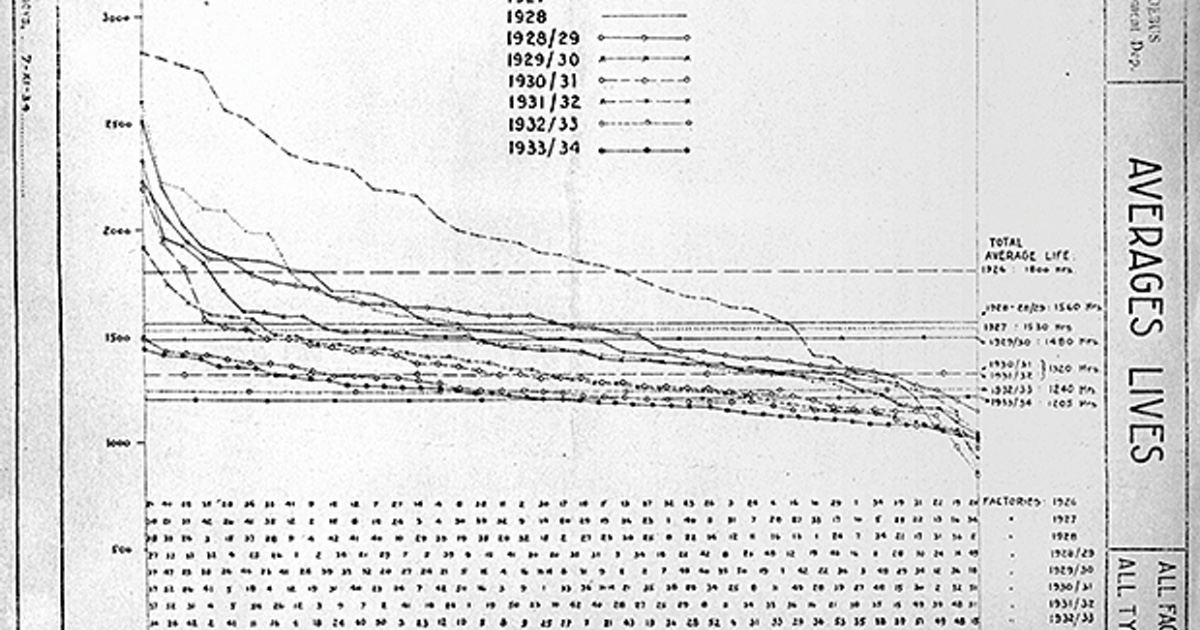
Capitalism's efficiency claim rests on one assumption: markets stay contestable. When they don't — when network effects, scale economies, regulatory capture, or winner-take-most dynamics kill real competition — the incentive structure flips. Firms stop maximizing value for customers and start maximizing extraction from them. Efficiency gets redefined as "how efficiently can we extract surplus."
This is textbook monopoly and oligopoly behavior. In competitive markets, a firm that makes its product worse loses customers to rivals. When rivals are weak or nonexistent, the rational move is often to reduce quality or add friction if it increases total profit. The historical record — from Standard Oil to modern platforms — confirms it happens.
Mechanisms that show up repeatedly
Quality degradation and enshittification. Platforms and products start good to acquire users, then degrade the experience to insert ads, upsells, data harvesting, or friction that pushes paid tiers. Search results fill with sponsored junk. Social feeds prioritize engagement over relevance. Software gets slower and more bloated while requiring more subscriptions.
Artificial friction and planned inconvenience. Products made deliberately harder, slower, or less interoperable so customers spend more time, money, or attention. Printers that refuse third-party ink. Phones with non-replaceable batteries and software locks. Streaming services that rotate content off platforms to force multiple subscriptions. Dark patterns that make cancellation harder than signup.
Planned obsolescence and versioning. Design for failure or forced upgrades rather than longevity. Cars, appliances, and electronics with parts that fail just after warranty. Software that drops support for older hardware to push new sales.
Price discrimination and behavioral manipulation. Once they know your willingness to pay (via data), they adjust small factors — timing, framing, scarcity signals, personalized pricing — to extract more. Loyalty programs that train dependency rather than reward value.
Historical cases
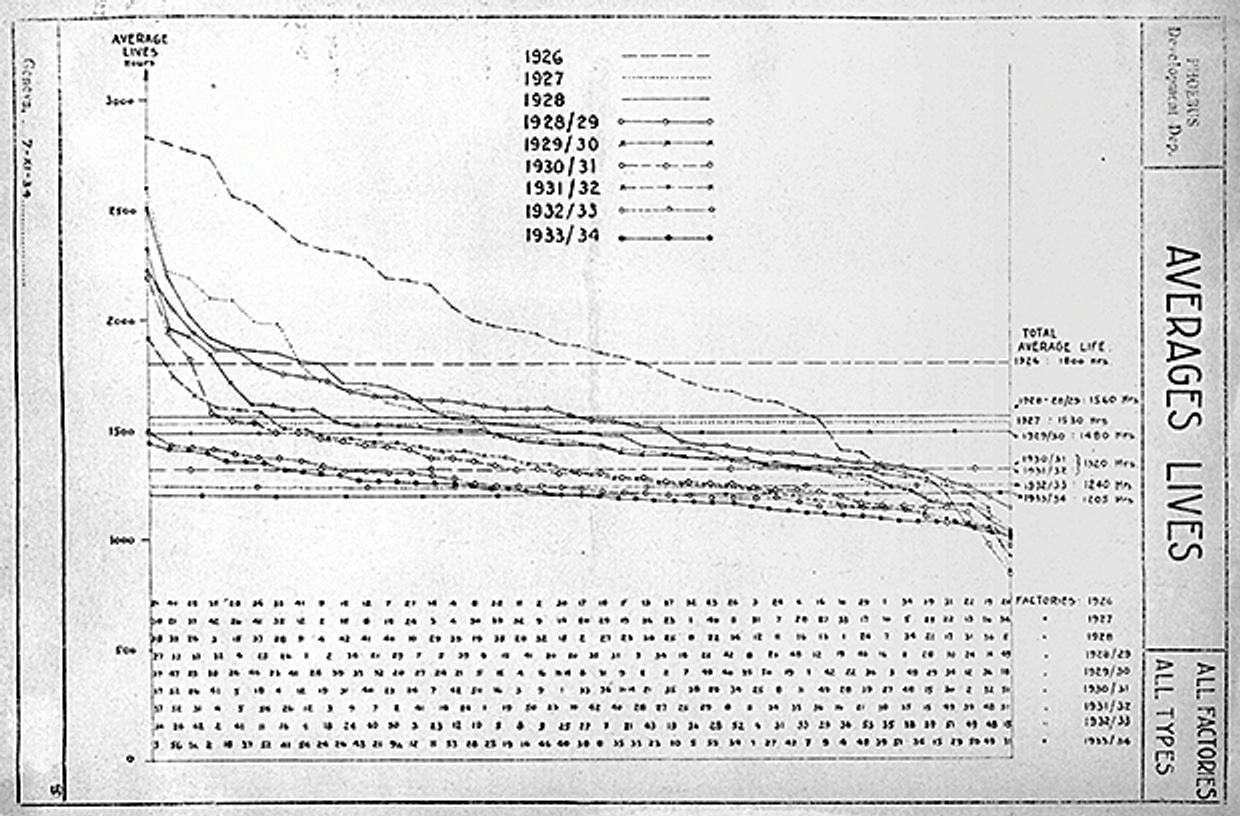
Phoebus Cartel (1920s–1930s). Light-bulb makers — Osram, Philips, GE and others — coordinated to cap bulb lifespan at around 1,000 hours instead of the 2,500+ hours technology already allowed. They explicitly designed shorter product life to force more frequent replacement and higher volume sales.
General Motors and Sloanism (1920s onward). Annual model-year changes and deliberate styling obsolescence made cars look outdated faster. The industry shifted from durability to continuous replacement demand.
AT&T monopoly (pre-1984 breakup). Controlled phones and network. Restricted equipment, slowed innovation, and kept prices high. Customers could not freely attach third-party devices; the company extracted rents through total control.
IBM mainframe era. Heavy lock-in via proprietary hardware and software. High switching costs let them maintain elevated prices and slow, controlled upgrade cycles long after competition could have forced better terms.
Modern cases
Printer ink (HP, Epson, Canon, Brother). Cartridges with chips that refuse third-party or refilled ink, report "empty" early, and sometimes brick the printer. Margin on ink often exceeds 50–70%; the hardware is sold near cost to lock users into the consumable.
Apple battery throttling (2017 "Batterygate"). iPhones deliberately slowed performance on older batteries without clear disclosure. Official reason was preventing unexpected shutdowns; the practical effect was pushing upgrades. Apple later settled lawsuits and added battery-health transparency.
John Deere tractors. Software locks and DRM prevent independent repair. Farmers must use authorized dealers even for basic fixes. Turns a durable capital good into a controlled, high-margin service relationship.
Google Search enshittification. Organic results degraded by ad load, SEO spam tolerance, and self-preferencing. Users get more sponsored and lower-quality answers while Google extracts higher ad revenue per search.
Meta (Facebook and Instagram). Feed ranking optimized for time-on-platform and ad impressions over relevance or user well-being. Features that once connected people were tuned to maximize engagement metrics that drive ad dollars.
Streaming services (Netflix, Disney+, etc.). Content libraries rotated or removed to force multiple subscriptions. Ad tiers introduced, password-sharing cracked down, and prices raised after subscribers locked in. The product became less convenient and more fragmented once scale was achieved.
Amazon. Search results increasingly favor sponsored listings and Amazon's own brands. Third-party sellers face fee stacks and algorithm changes that extract more while the customer experience fills with lower-signal results.
Airlines (post-deregulation evolution). Basic coach degraded — legroom, bags, food, seat selection — while a thicket of ancillary fees was layered on. The "product" was unbundled so the base fare looks low and the real cost is extracted piecemeal.
The pattern is consistent: once competition weakens or lock-in is strong, the rational move often shifts from improving the product to inserting friction, shortening useful life, or degrading the free experience so the paid layer becomes the real product.
Why regulation lags extraction
Regulation almost always lags the extraction cycle. Once network effects and data advantages compound, restoring real contestability is expensive and incomplete. Heavy behavioral rules create compliance bureaucracies and invite regulatory capture — the firms being regulated hire the best lawyers and lobbyists. Pure structural breakups are the cleanest fix but politically hardest.
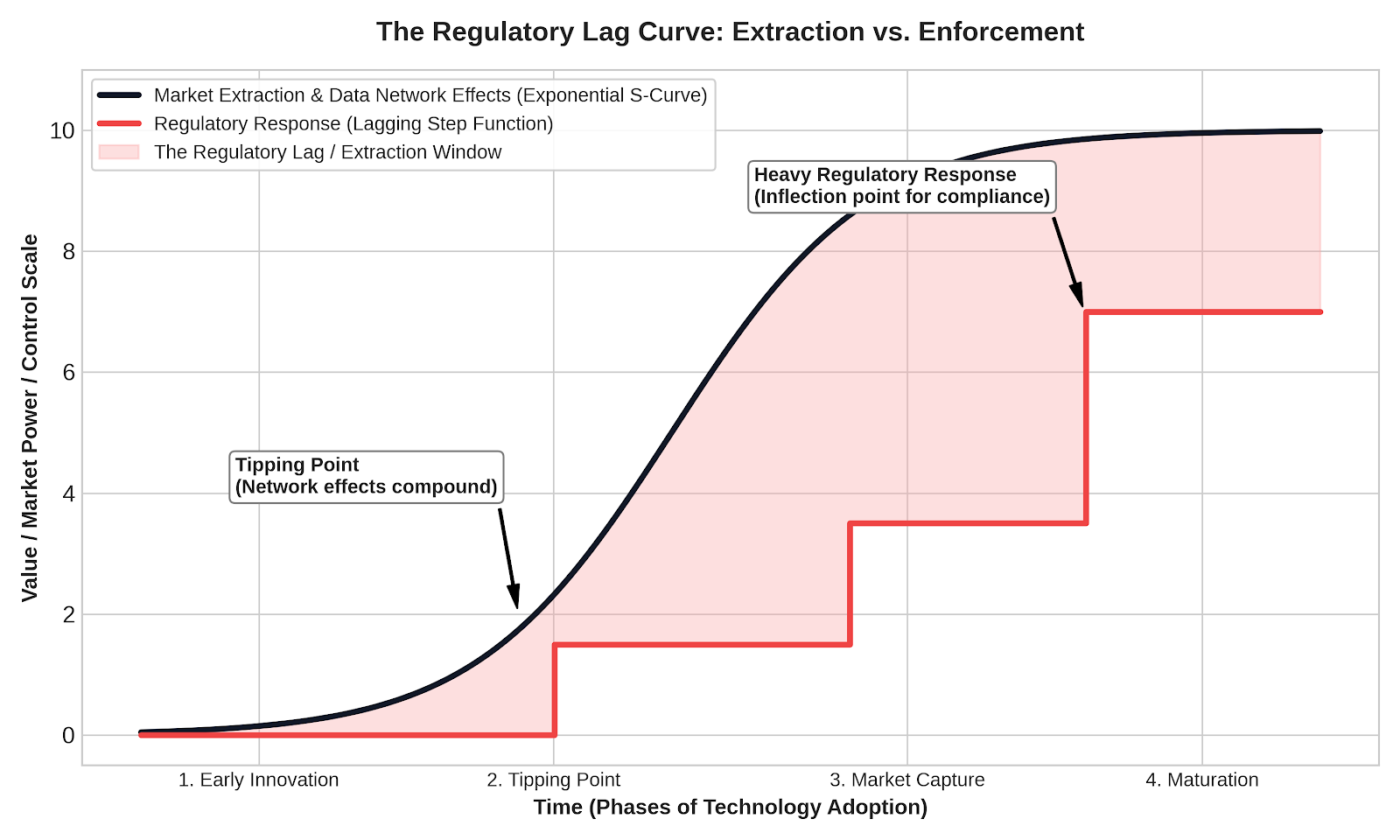
Competition remains the best long-run regulator. New entrants, open-source or decentralized alternatives, or technological shifts that collapse the moat can restore pressure. Regulation's job is to keep the door open long enough for that to happen and to ban the most blatant extraction tactics in the meantime.
Everything else is theater or delay.